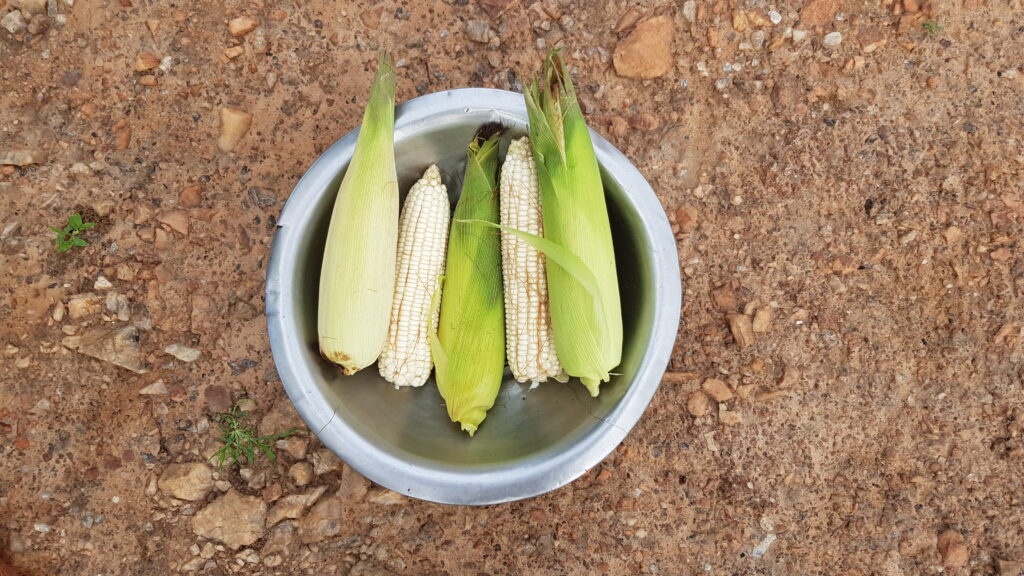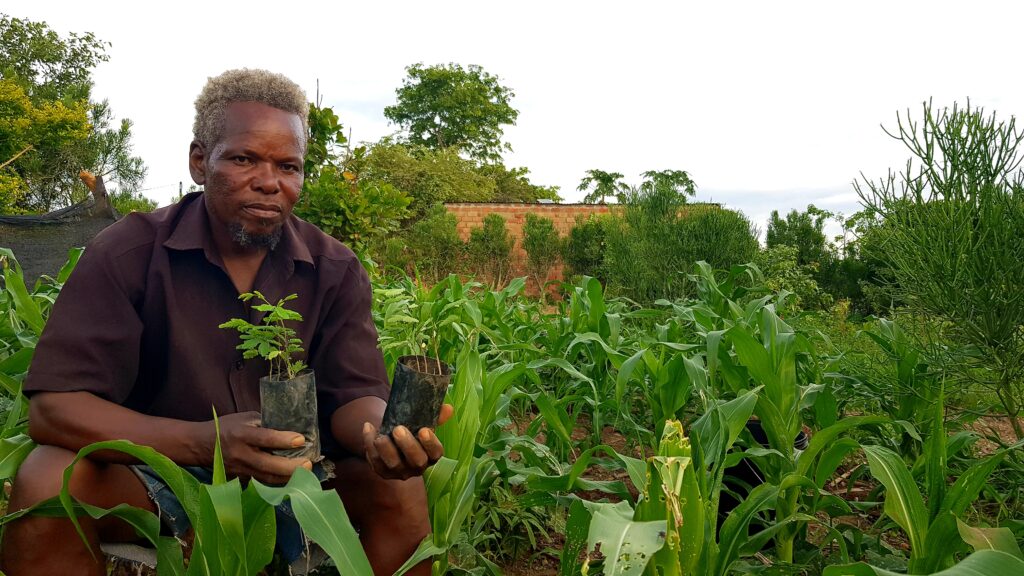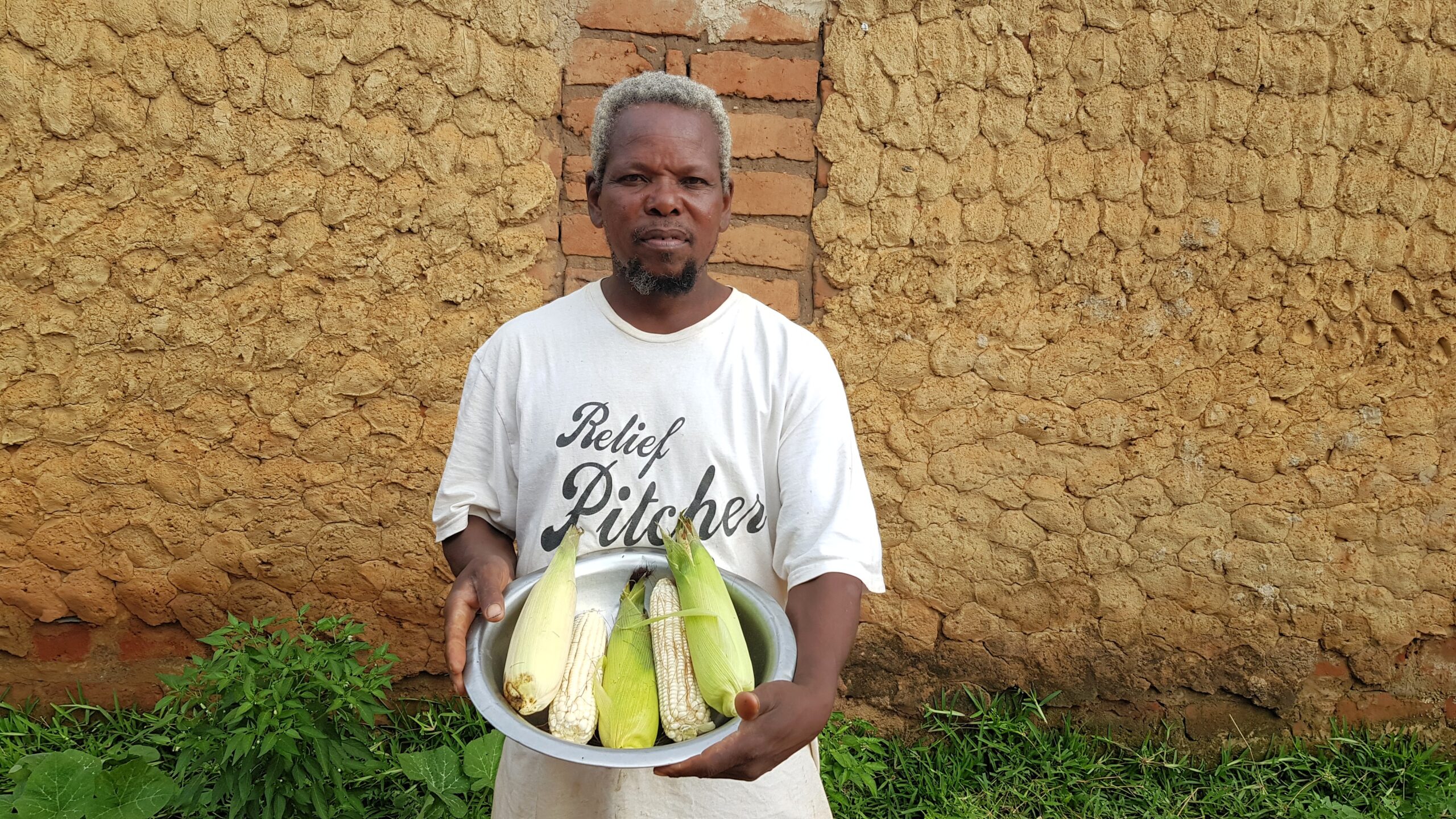
For Mr. Banda, a hardworking welder and metal worker in Chikwela Village, the small piece of land behind his house is where he turns his attention once the sparks of his workshop have settled. This year, his backyard became the site of a remarkable transformation. Participating in the Chongwe Agroforestry Initiative Pilot, Mr. Banda watched as the maize stalks he planted alongside indigenous Musangu trees (Faidherbia albida) grew tall and produce good fresh maize. “I did not use fertilizer, but the crops performed better where the trees were planted,” he says, capturing the essence of a project that has proven Musangu is key for agroforestry in Zambia.
By successfully restoring 0.15 hectares of degraded land, the pilot showed that these trees can boost maize yields, fix nitrogen in the soil, and provide a resilient path to food security without the need for expensive artificial chemicals.
Healing the Soil with Nature’s Own Fertilizer
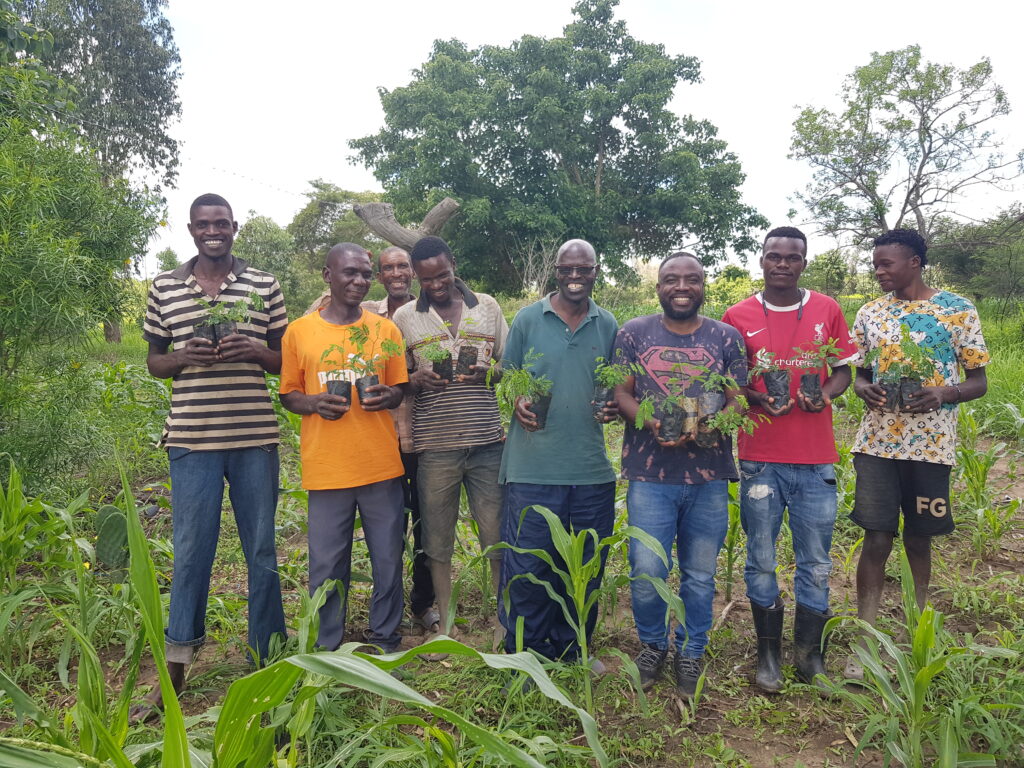
The one-year pilot, led by Green Gold Social, was designed to tackle the “tired” soil and unpredictable rains that have made farming difficult for smallholders in the Kapuka, Chikwela, and Chisengo villages in Chongwe. The project focused on using what nature already provides: indigenous, nitrogen-fixing trees. By intercropping maize with 1,500 seeds of Musangu, the initiative provided 50 local farmers with a low-cost alternative to synthetic fertilizers.
The science behind Mr. Banda’s success is fascinating but simple. The Musangu tree acts like a natural fertilizer factory. It has a unique ability to pull nitrogen from the air and put it into the ground where crops can use it. Furthermore, it reaches deep into the earth for groundwater that other plants cannot touch. During the pilot, maize grown next to these trees consistently outperformed conventional crops throughout the entire growing season.
A Project Built on Community Strength
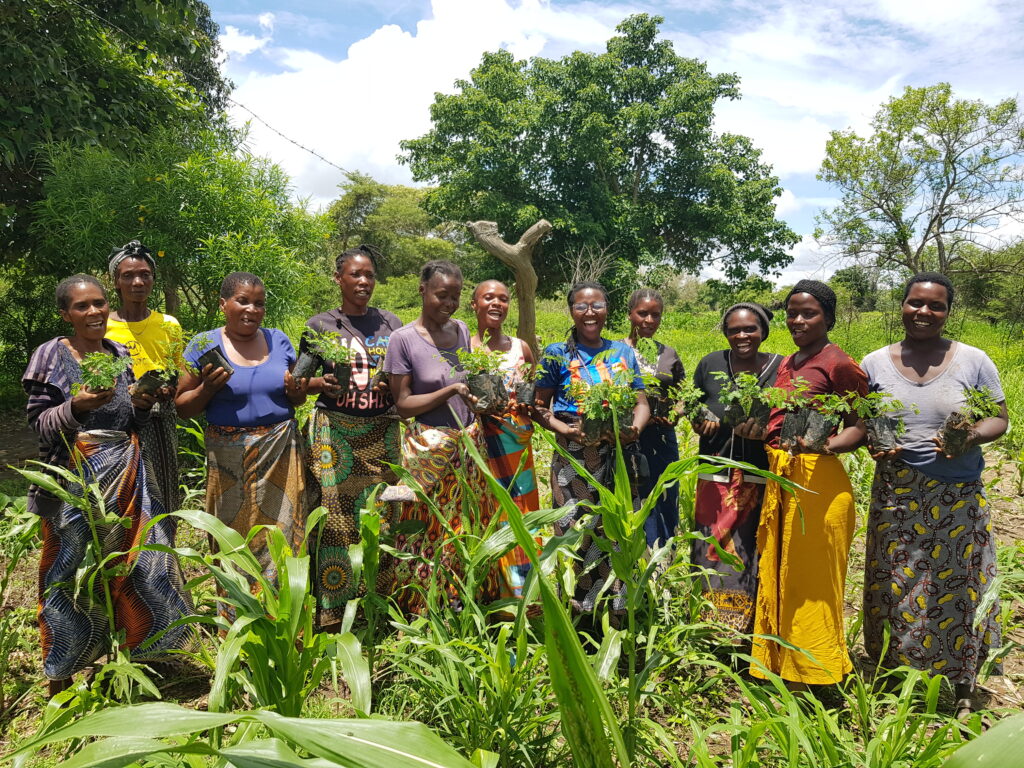
The heart of this initiative was its people. While the project initially targeted 100 farmers, 50 enrolled, with a very deliberate priority given to women. In many communities, women do most of the farming but are often the last to receive help or fertilizer support. By ensuring that 35 of the 50 participants were women, the project put the tools for success directly into the hands of those most responsible for feeding their families.
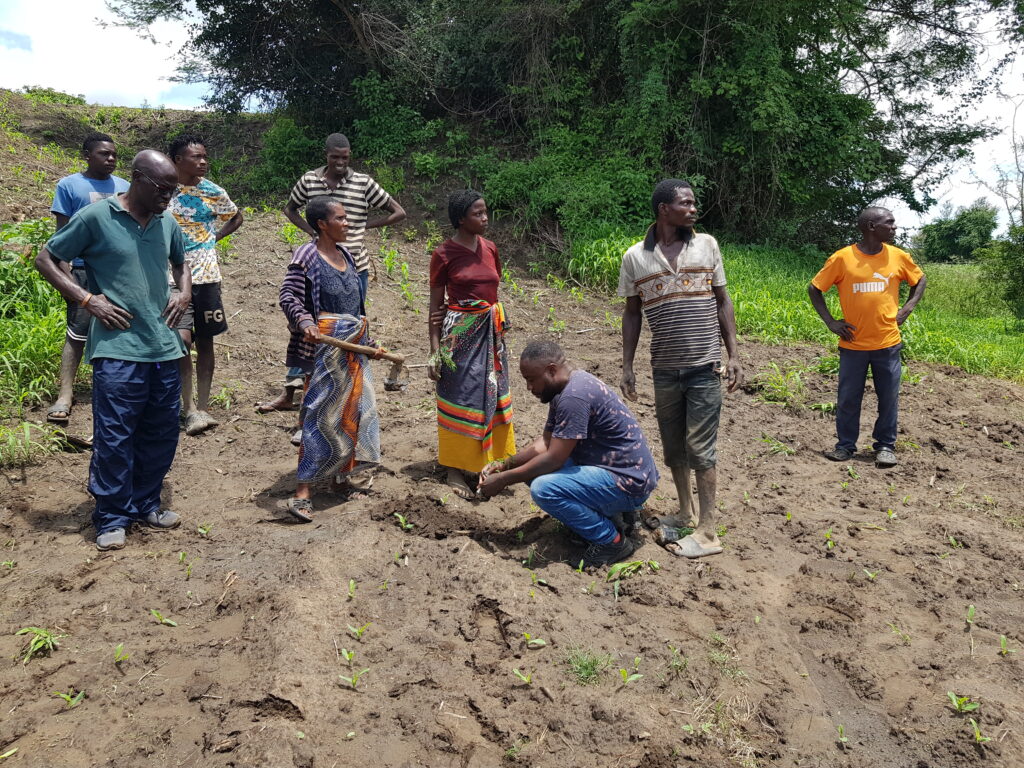
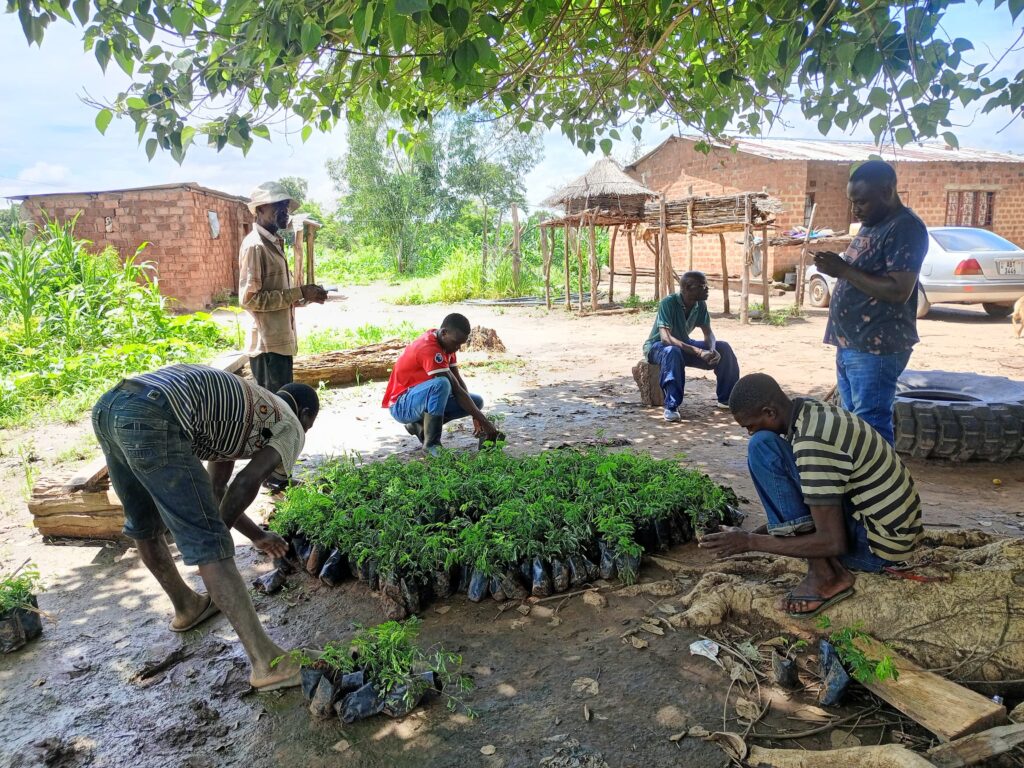
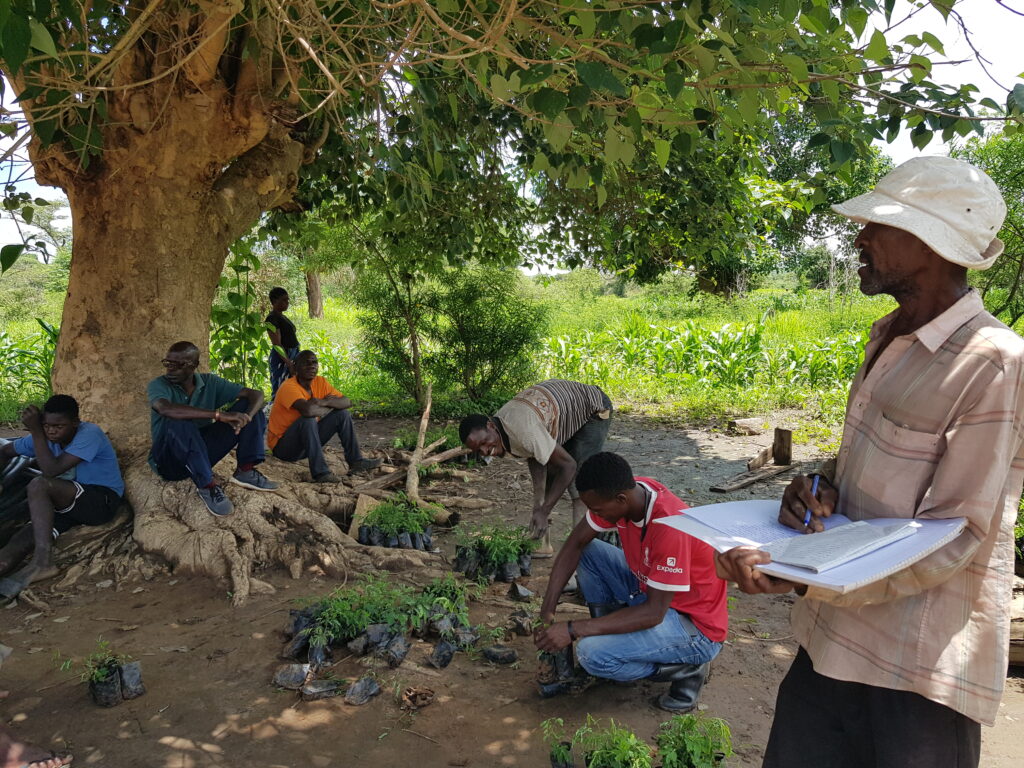
These farmers didn’t just receive seeds; they became experts through climate workshops and hands-on training. They learned to manage “demo plots” where they could see the results for themselves. They also found a new way to earn money: women and youth were paid for collecting Musangu seeds, a sustainable activity that has continued even after the official pilot period ended.
Learning the Language of the Trees
The pilot was also a journey of discovery. For instance, the team found that the Musangu tree is in a huge hurry to grow its roots. Its taproot can reach 30cm in just three weeks. Because of this, the trees cannot stay in a nursery for long; they need to be moved to the open field very early so their roots aren’t cramped.
While the Musangu is famous for being drought-resistant, the pilot taught a vital lesson: young seedlings are vulnerable. During a severe dry spell at the start of the 2024 season, many young trees struggled. However, the trees that survived were the ones that received supplementary watering every three days. This simple act of “nursing” the trees in their infancy ensured they would grow to protect the crops for years to come.
Looking Ahead: Scaling the Success
The success of farmers like Mr. Banda provides a roadmap for the rest of the Chongwe District. The project team is already looking at ways to make the next phase even better. This includes formalizing soil testing to prove exactly how much the soil is improving and pairing the Musangu with even faster-growing trees like Gliricidia Sepium to provide livestock fodder and even more organic matter.
By using indigenous trees and locally available seeds, this model is not only cost-effective but belongs to the community. It turns the farmer from a consumer of expensive chemicals into a steward of a self-sustaining environment. As the pilot concludes, the message from the fields of Chongwe is clear: when we care for the trees, the trees care for us, ensuring that even when the rains are poor, the harvest remains strong.