

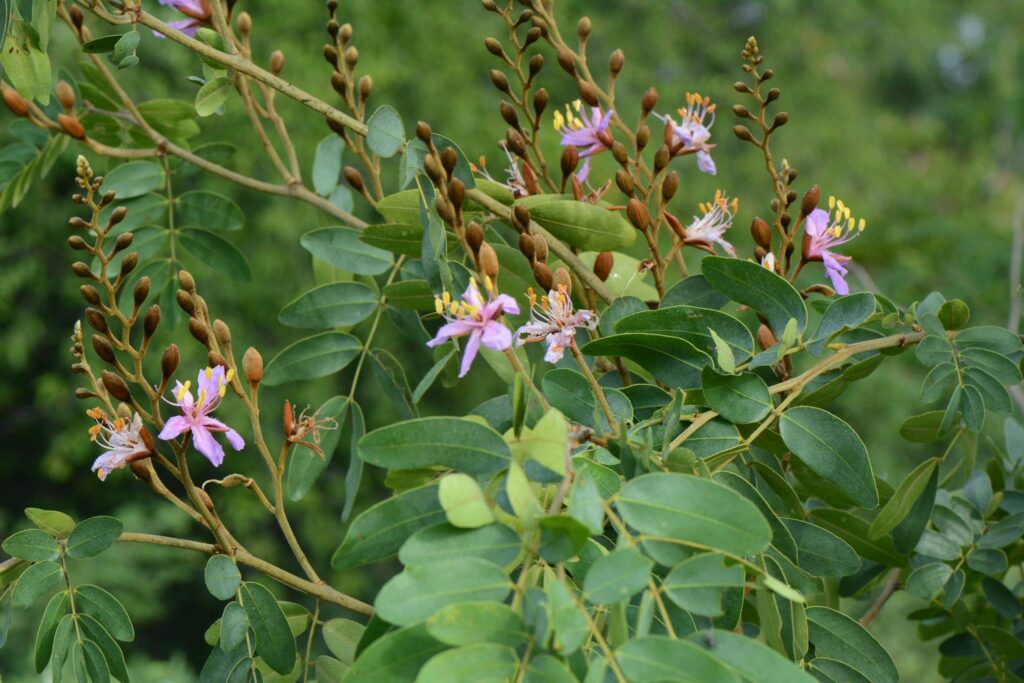
Imagine a tree that stands tall and proud, its wood so strong and beautiful it’s nicknamed “green gold.” For generations, this tree has been a cornerstone of life, providing livelihoods, shelter, and a unique cultural heritage. In Zambia, this majestic tree is the Zambezi Teak (Baikiaea plurijuga), known to the Lozi people as Mukusi. It is in deep trouble, teetering on the brink of extinction and currently classified by the IUCN Red List as Near Threatened globally, though widely considered among the most endangered trees in Zambia due to rampant exploitation. Its silent disappearance is a cry for help that we all need to hear.
The Value That Became a Death Sentence
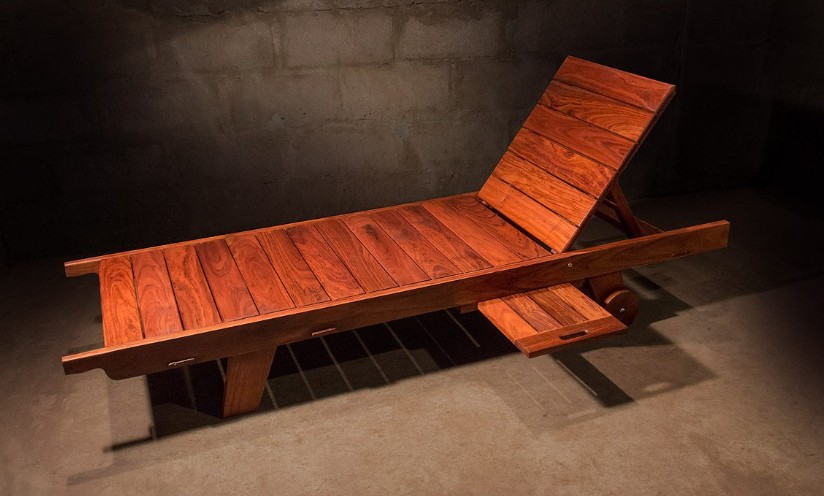
What makes the Zambezi Teak so special? Its most prized possession is its timber, known for exceptional durability, strength, and a stunning reddish-brown hue. This hardwood is so coveted that a single, finely crafted piece—like a bespoke lounging chair—can easily fetch a price of over $1000 on the international market. This massive value has become its undoing. Historically, the Mukusi wood was perfect for railway sleepers and is still highly sought after for elegant furniture and flooring because it’s naturally resistant to termites and decay. Beyond its commercial use, it plays a crucial role in its ecosystem, stabilizing the unique Kalahari sands where it grows, providing shade, and offering habitat for wildlife.
A History of Decline: The Scars of Exploitation
The story of the Zambezi Teak’s decline is a complex one, deeply intertwined with human activity and economic pressures. For decades, it has faced relentless assault, leading to widespread degradation of its forests, primarily in the Western and Southern Provinces.
The primary culprit has been unsustainable and illegal logging. Driven by the immense demand for its valuable timber, trees have been felled at a rate far exceeding their ability to regenerate. This is compounded by the widespread practice of charcoal production, which destroys valuable hardwoods for basic energy. Additionally, agricultural expansion shrinks the forest habitat as land is cleared for farming, and infrastructure projects further fragment the remaining teak populations. The sad truth is that we have aggressively harvested the forests, reducing vast, thriving Mukusi woodlands into degraded landscapes.
Government Efforts: A Losing Battle So Far
The Zambian government is well aware of the plight of the Zambezi Teak and has, at various times, implemented policies and laws aimed at its protection. These efforts include the Forestry Act, establishing Forest Reserves to safeguard the timber, and imposing temporary bans on timber exports to curb unsustainable exploitation.
Despite these intentions, enforcement remains a significant challenge. Forestry departments often struggle with limited resources, making effective monitoring and patrols difficult. Unfortunately, issues like corruption can undermine conservation efforts, allowing illegal logging to continue unchecked. Furthermore, for many rural communities, logging and charcoal production offer immediate income, making it difficult for them to shift away from these destructive practices without viable, sustainable alternatives. The Mukusi continues to disappear, highlighting the need for a fresh, community-centered approach.