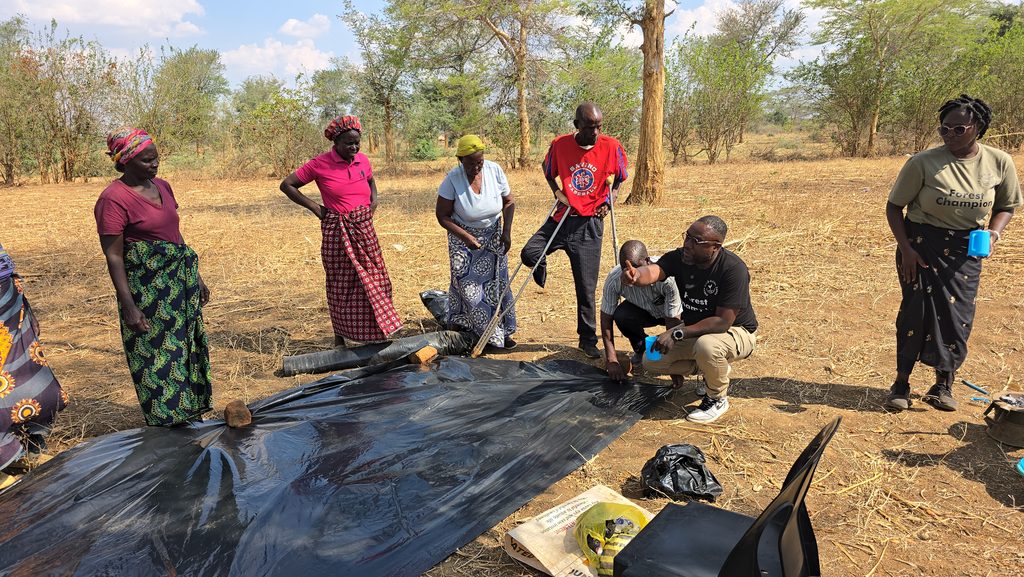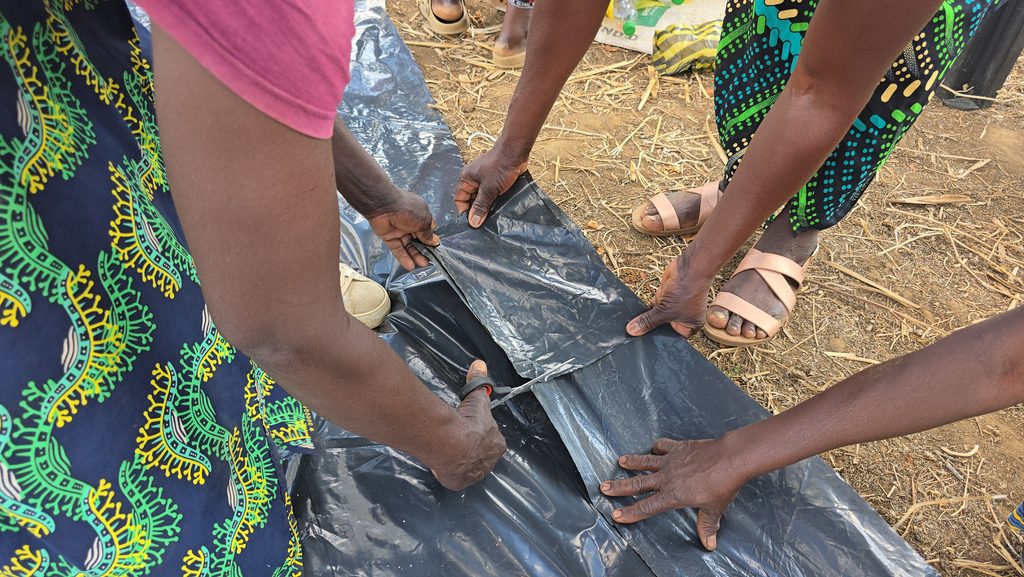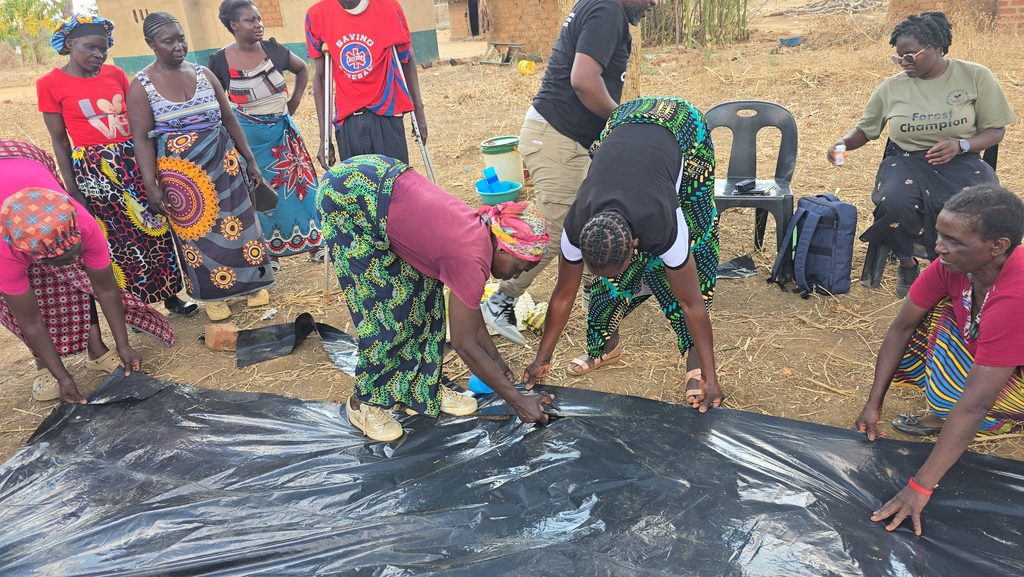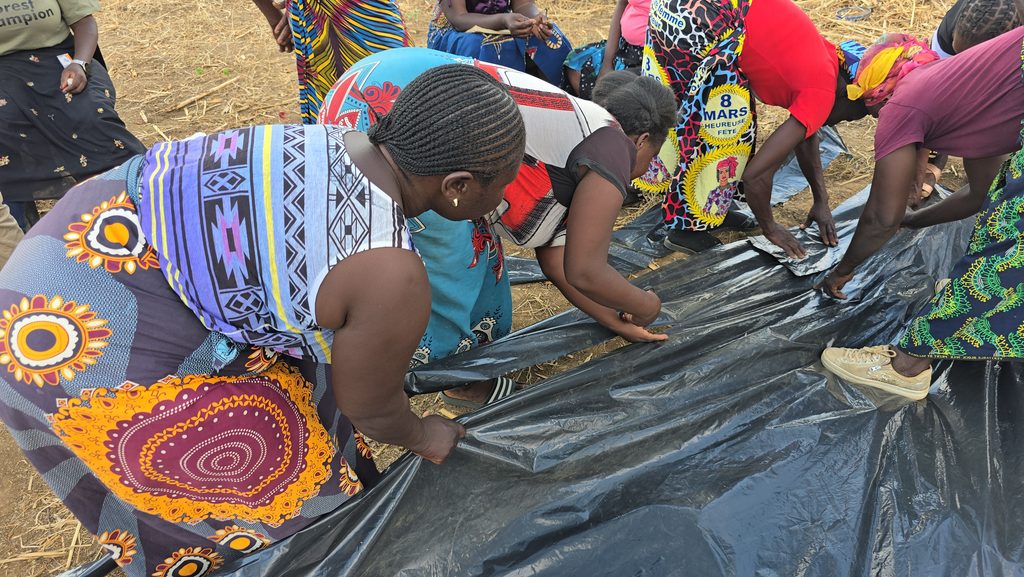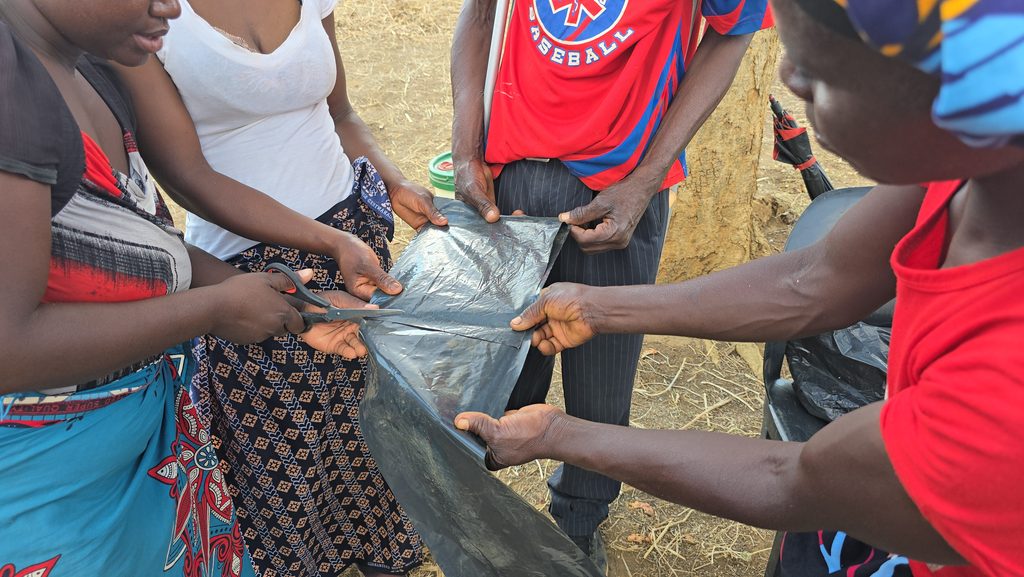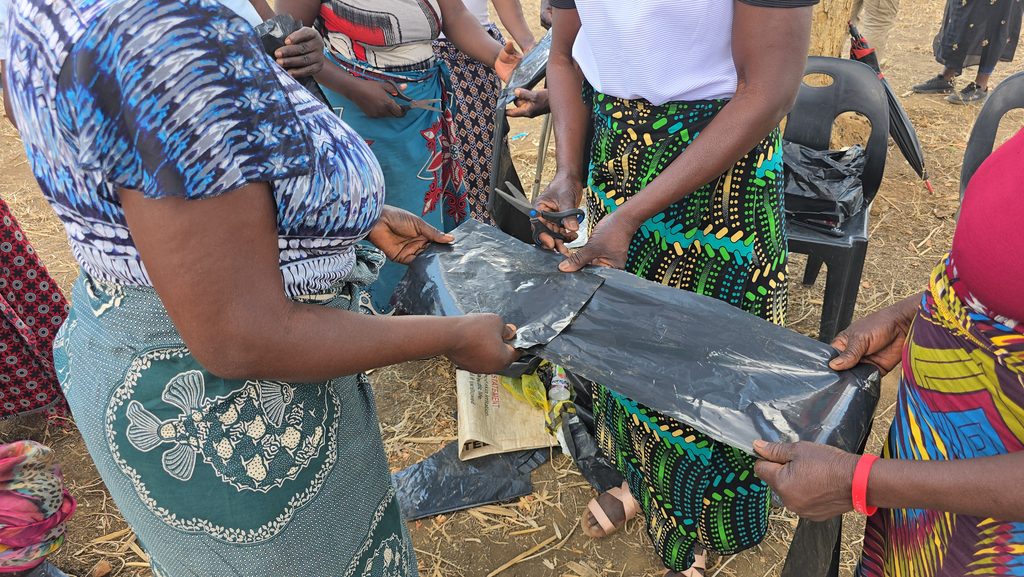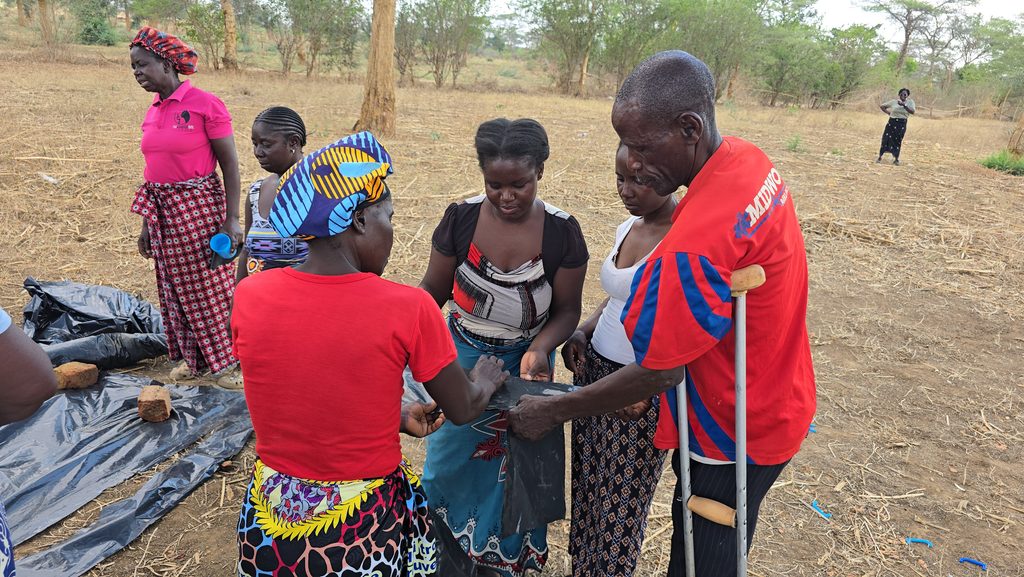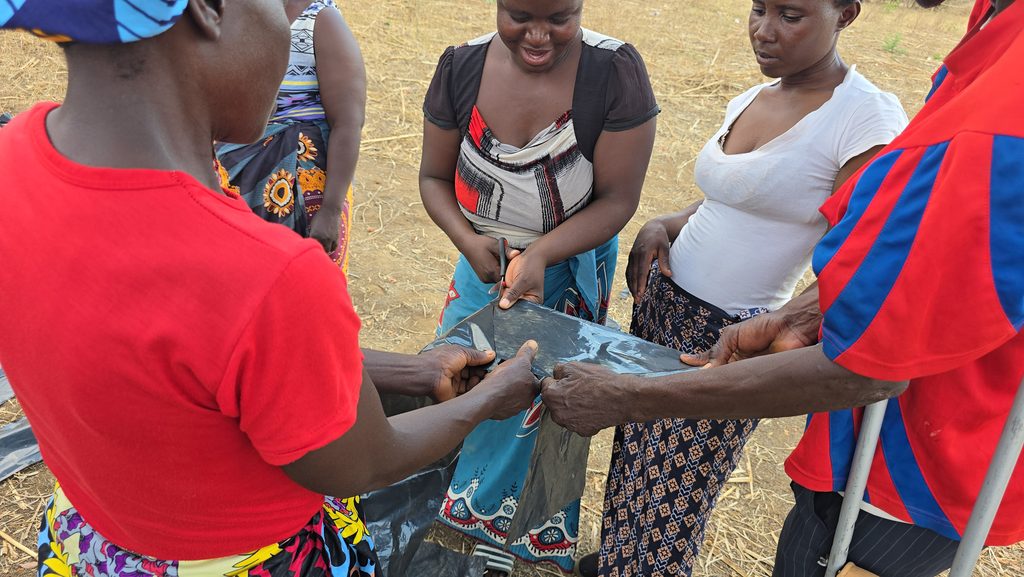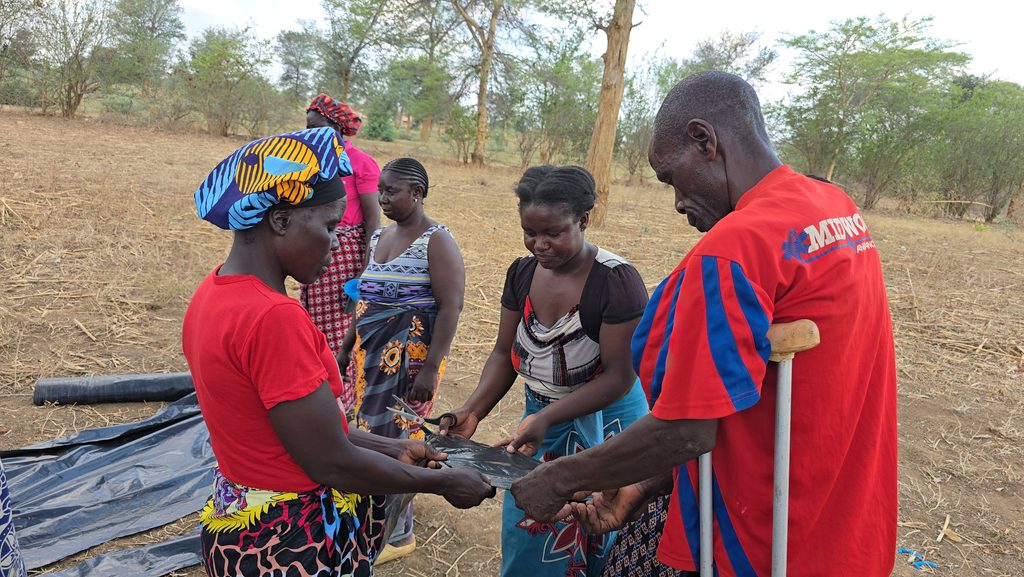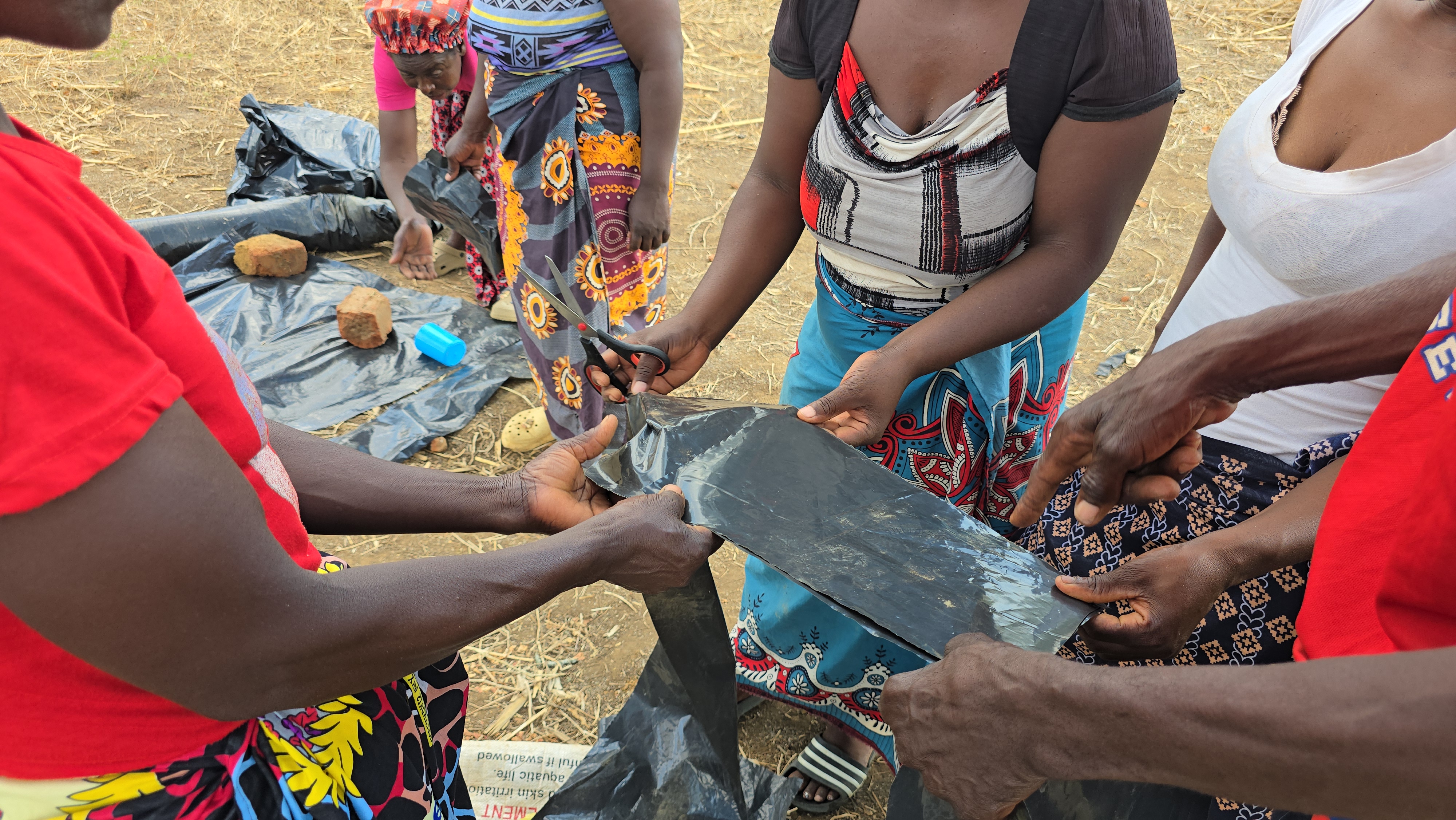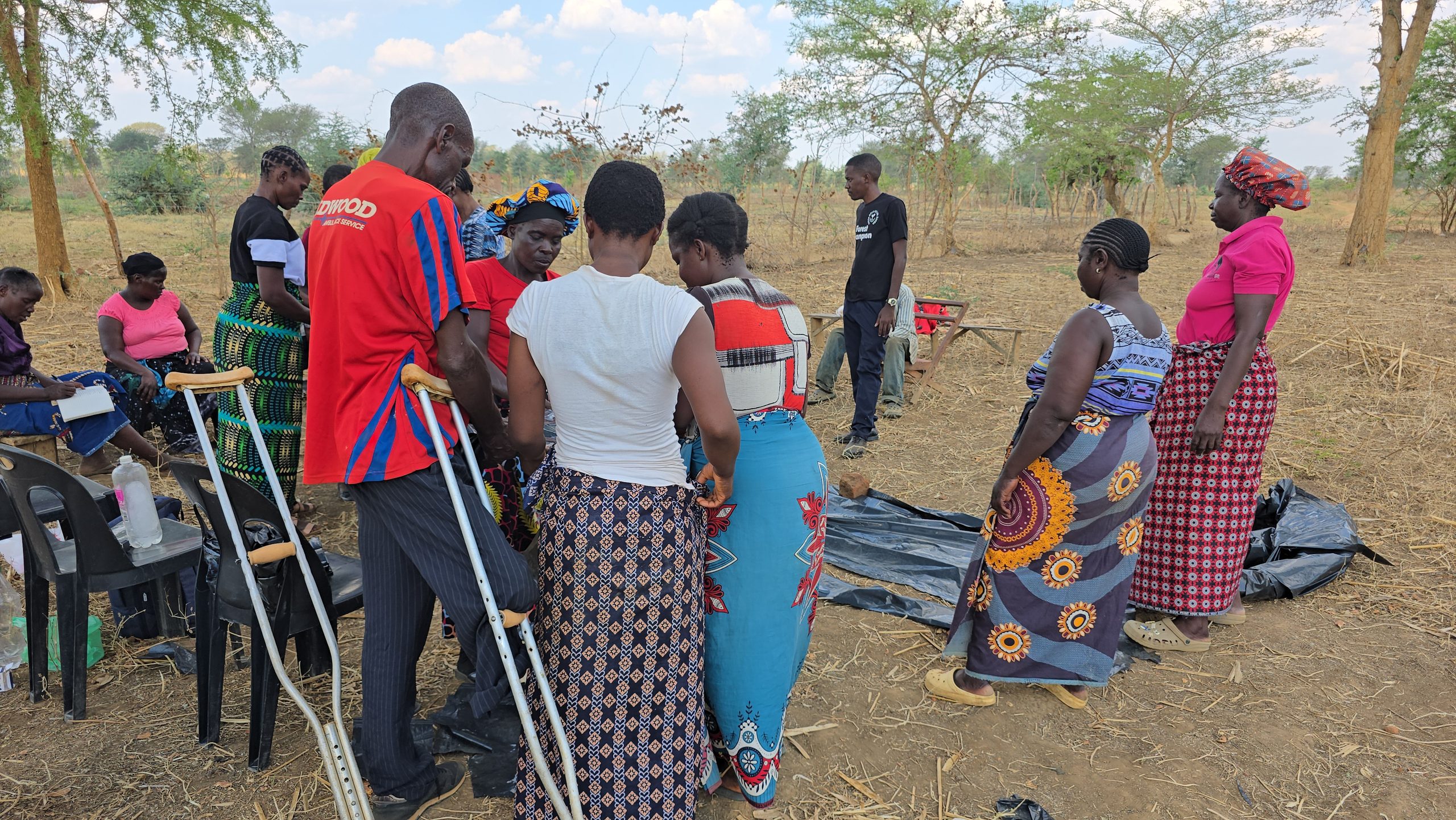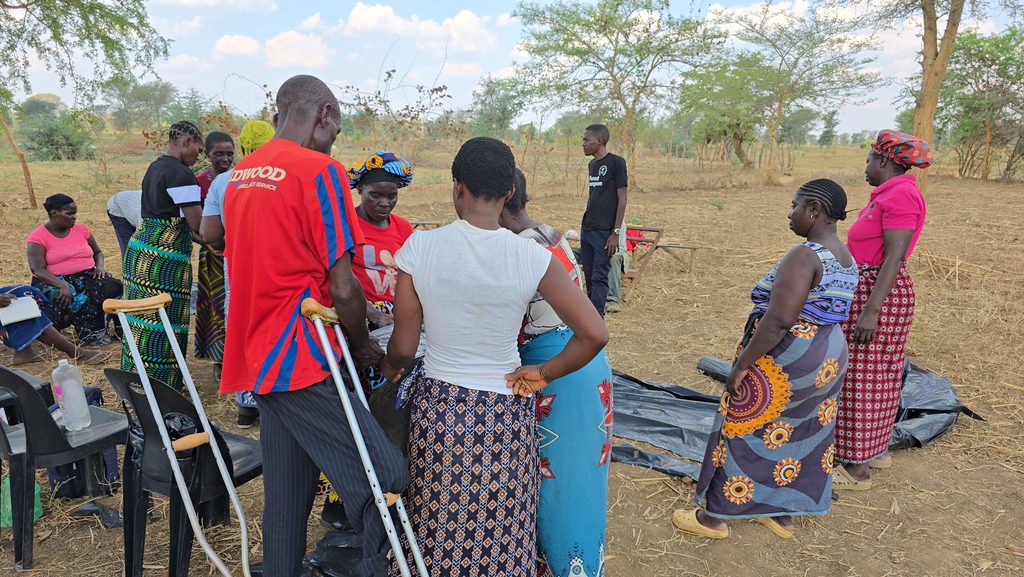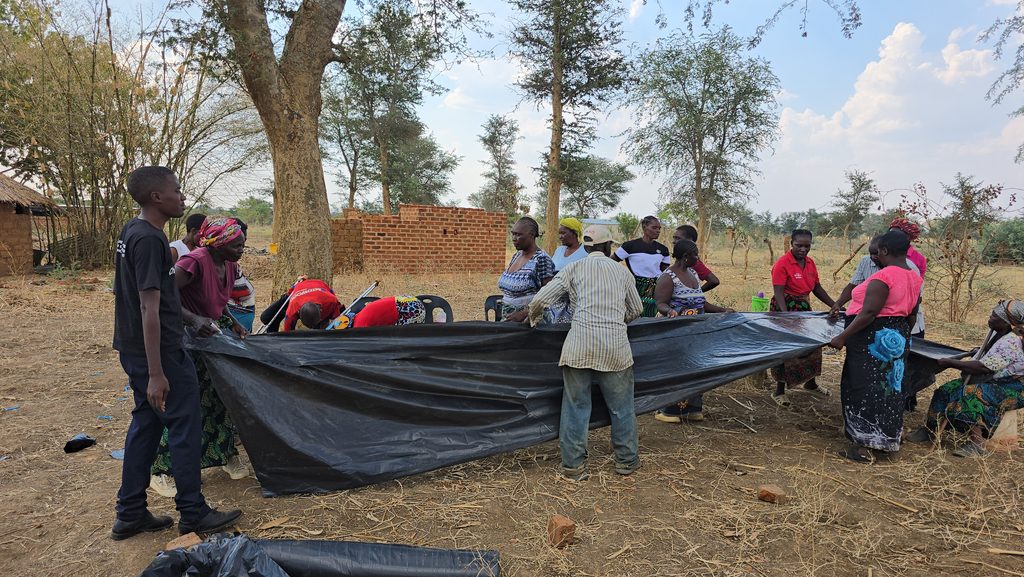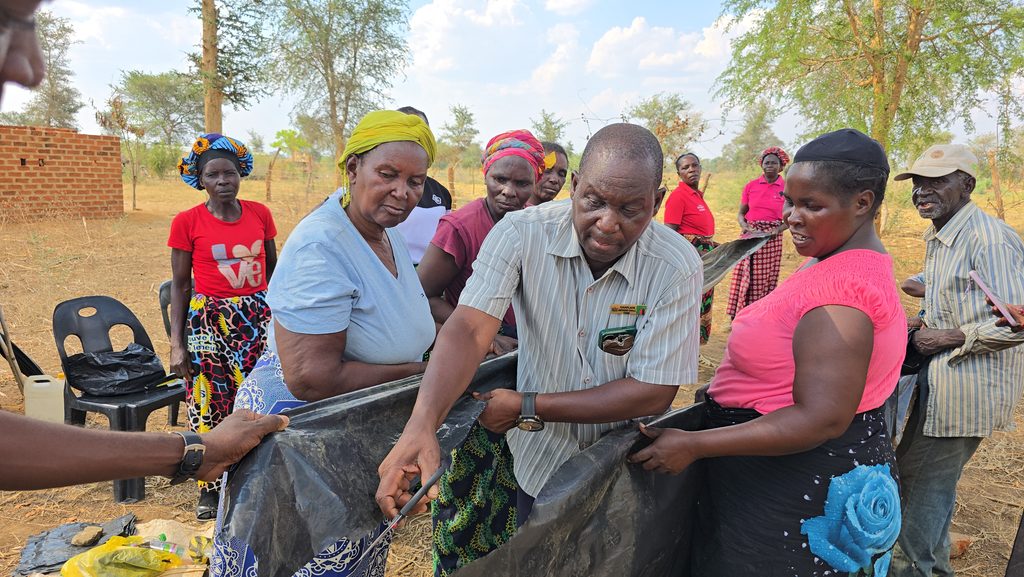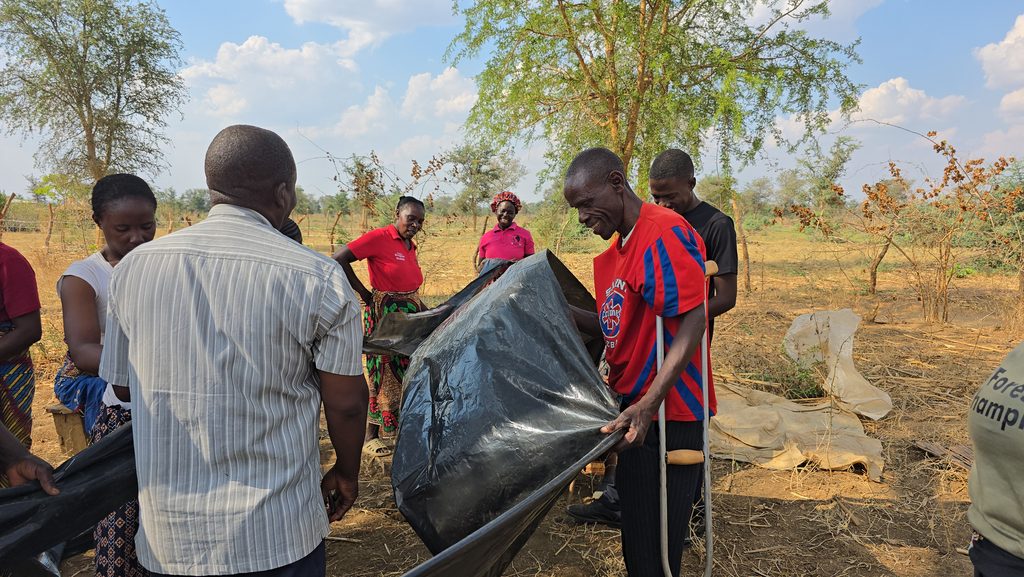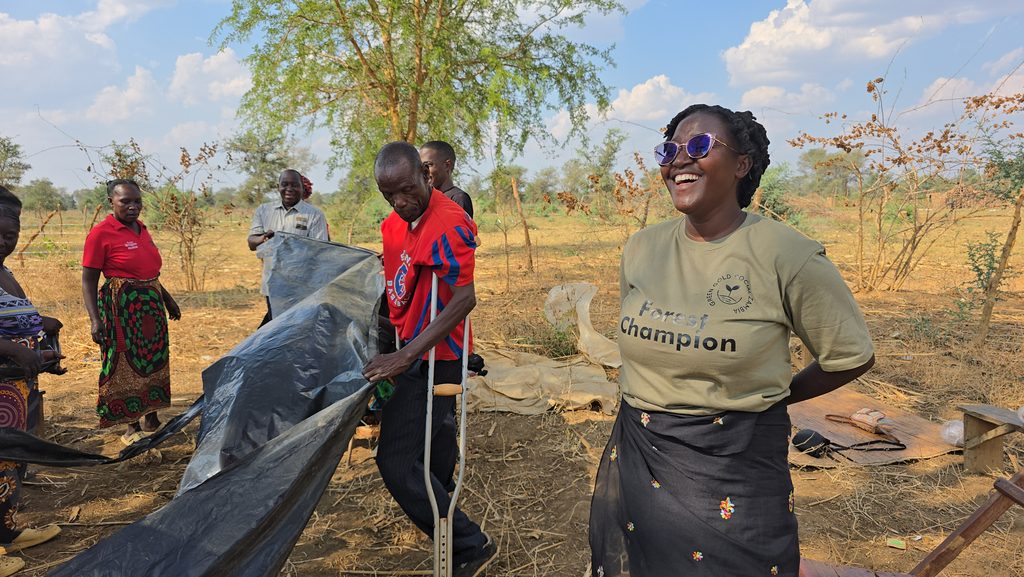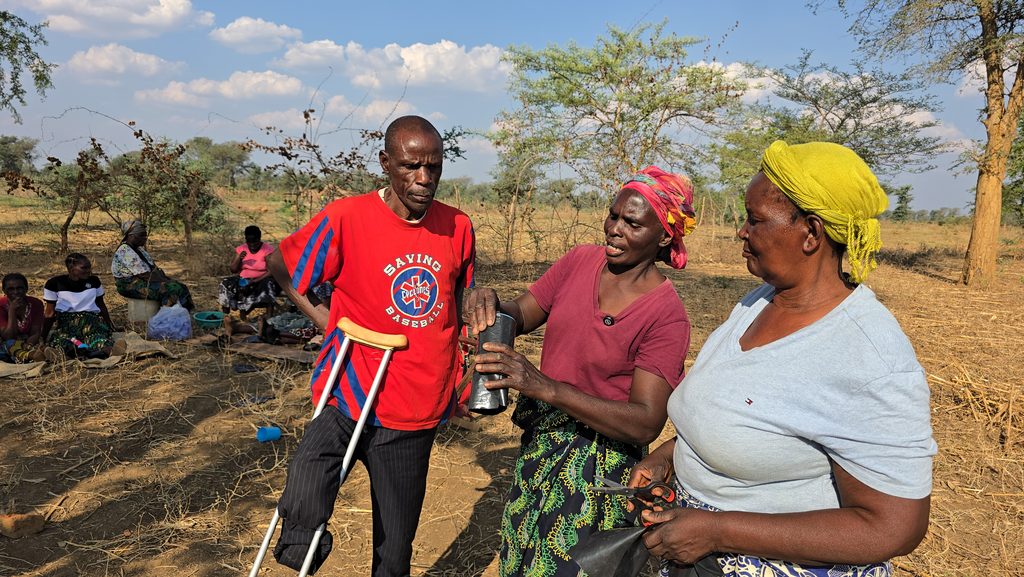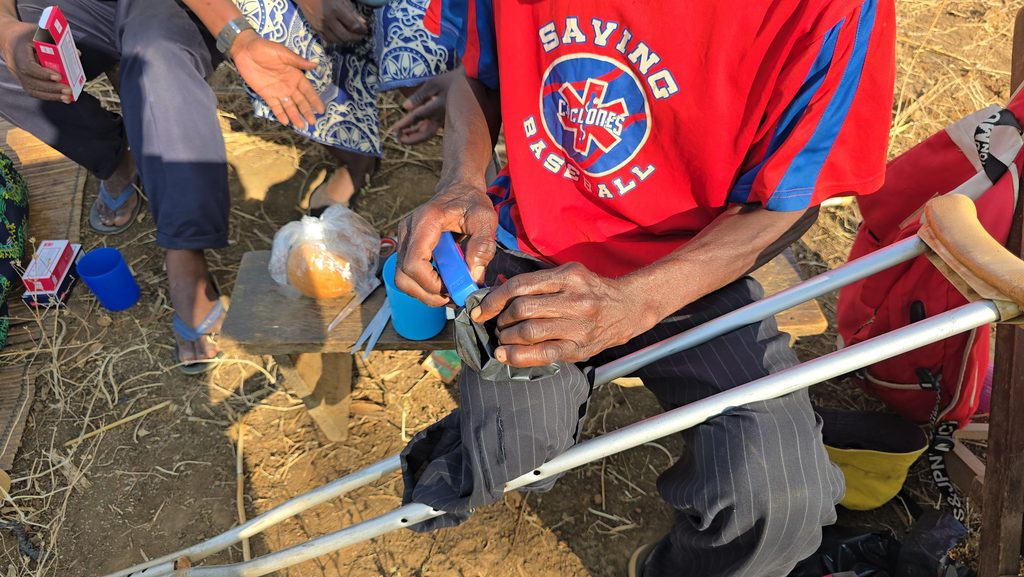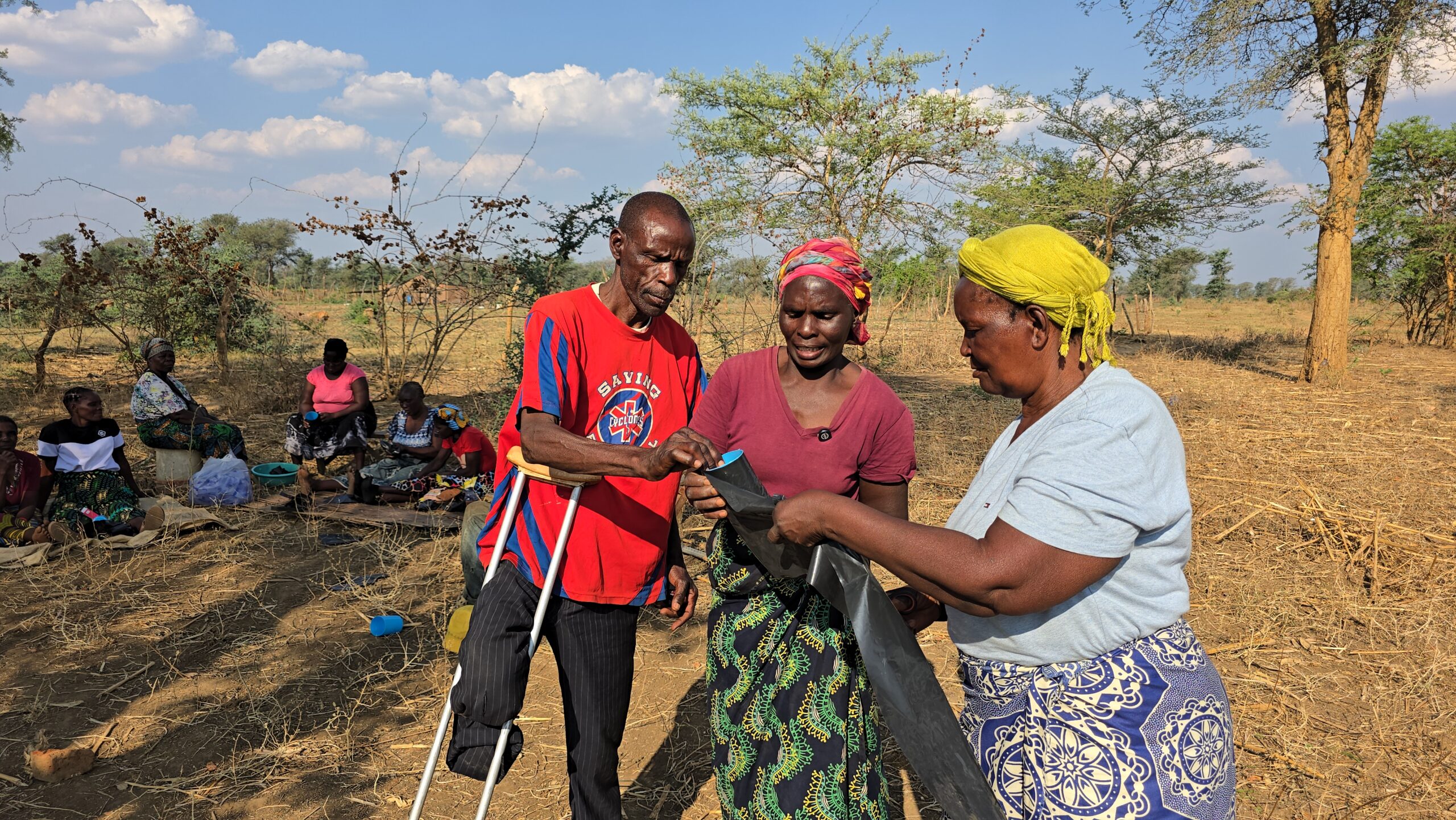
Green Gold Social has trained 25 people living with disabilities in Kampekete village to make grow bags. Kampekete is 20 kilometres from Chongwe town. The training is part of the community empowerment component of the Chongwe Reforestation Project, through which we are planting 1 million trees and helping small-scale farmers become climate resilient.
Chongwe is one of the districts in Zambia hit hardest by deforestation. According to Global Forest Watch, it lost more than 130 hectares of forest in 2024, mostly to charcoal burning and illegal logging. The loss of trees has left soils depleted and water scarce, and families with the fewest options feel it first. So the training began with a talk about why protecting forests matters, before the group moved on to the practical work.
The aim is to give people living with disabilities a sustainable way to earn a living. Green Gold Social provides the materials, teaches participants how to make the grow bags, and then buys the finished bags from them. The villagers will use the grow bags to raise masuku and tamarind seedlings, which Green Gold Social will sell on their behalf, with the revenue split between us. A single training becomes a steady source of income for a community that is often left out of economic opportunities.
This builds on work that started earlier this year. In February, we held an agroforestry demonstration with 21 farmers from the Kampekete disability community, 14 of them women, together with Headman Kampekete and the Chongwe Network for People Living with Disabilities. We showed them how to plant Gliricidia sepium seeds directly into wet ground between their rows of maize. When we went back in March, 95% of the 4,500 Gliricidia seeds had germinated, well above our target of 80%, and the Musangu seedlings were standing about 30 centimetres tall. At that visit we promised to come back and train the group to make grow bags. This training keeps that promise.
The 25 villagers are Forest Champions in our community forestry group, taking climate action through reforestation and agroforestry. Under the leadership of Reverend Chulu, the group is growing towards 50 active members. On 15 January 2027, they will join hundreds of villagers from across Chongwe when we plant 1 million Musangu trees.
They are also learning agroforestry so they can stop relying on chemical fertiliser and get better maize yields. Gliricidia sepium planted alongside maize fixes nitrogen in the soil. When its branches are pruned every three months and laid between the maize rows, they work as organic manure. It costs farmers nothing to keep using, and it keeps the land productive year after year.